 Ανοσία και ζωτικότητα
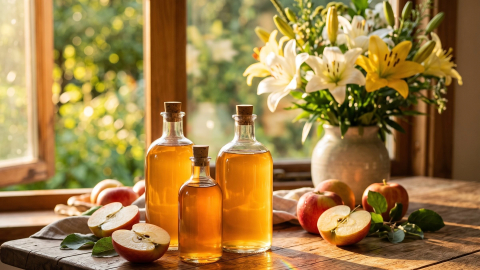
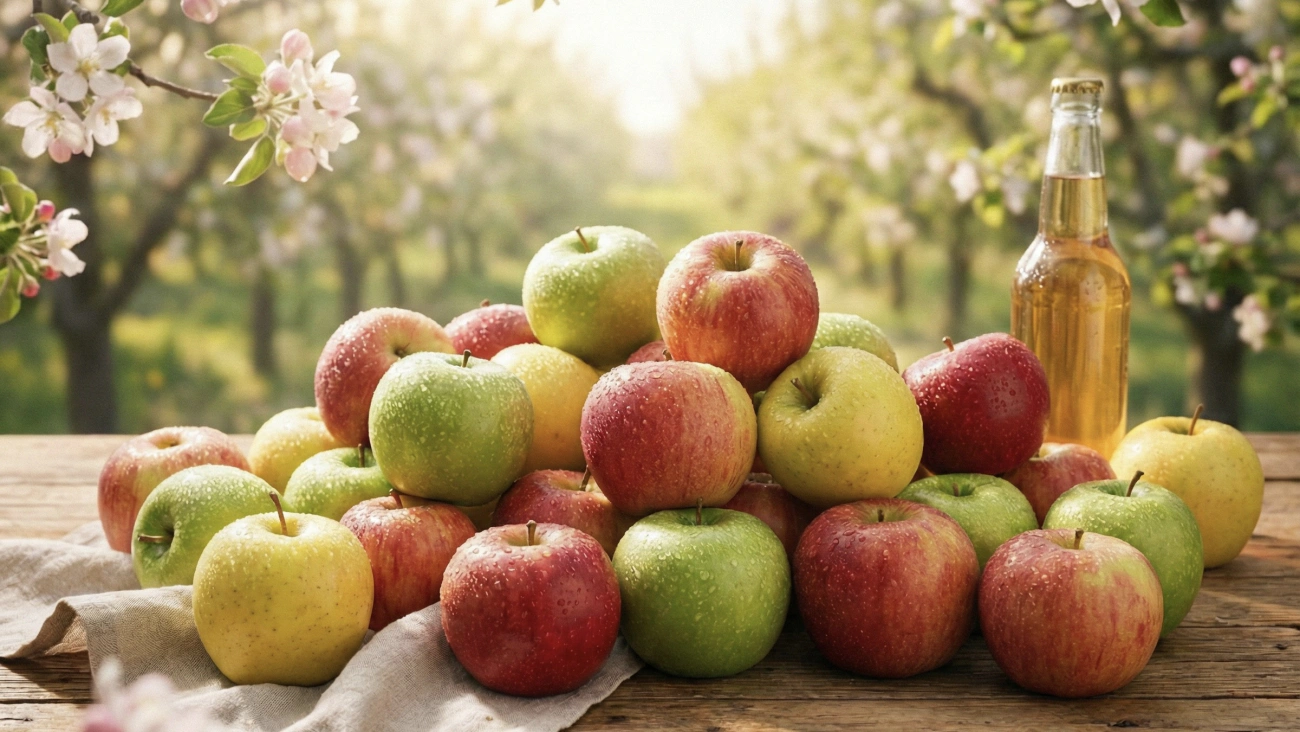
Μηλόξυδο, ... όχι μόνο για τα μοντέλα
Ο μηλόξυδο είναι ένα από τα πιο δημοφιλή φυσικά προϊόντα με ευρέα φάσμα οφέλη για την υγεία. Το μηλόξυδο είναι περιζήτητο εδώ και αιώνες για τις ευεργετικές του ιδιότητες στην υγεία, όπως η ενίσχυση της πέψης, η ρύθμιση του βάρους, η διατήρηση σταθερών επιπέδων σακχάρου στο αίμα και η βελτίωση της καρδιαγγειακής υγείας.
 Υγεία
Υγεία
Μαγνήσιο – το πιο σημαντικό μέταλλο;
Αν ρωτήσετε οποιονδήποτε αθλητή (ειδικά αθλητές αντοχής) ποιο συμπλήρωμα διατροφής έχει πάντα μαζί του στους αγώνες, η πιο συχνή απάντηση θα είναι «μαγνήσιο». Το μαγνήσιο είναι σίγουρα ένα από τα πιο σημαντικά μέταλλα για τον οργανισμό μας. Πρόκειται για το λεγόμενο «ελλείπον» μέταλλο, επειδή το αποβάλλουμε από τον οργανισμό μας όταν ασκούμαστε υπερβολικά, αλλά και όταν δεν ασκούμαστε! Αρκεί η ζωή με τον θόρυβο, το άγχος, το στρες...
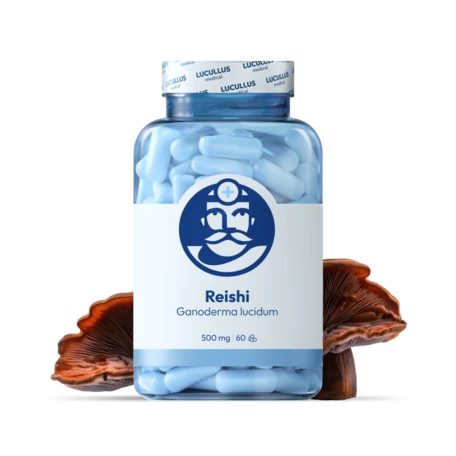
Reishi, ένα μανιτάρι που χρησιμοποιείται εδώ και 4000 χρόνια. Το θεϊκό μανιτάρι της αθανασίας - στο παρελθόν πίστευαν ότι μπορούσε να αναστήσει ακόμη και τους νεκρούς. Έχει σημαντική θέση κυρίως στην κινεζική ιατρική (με την ονομασία lingzhi), όπου αναφέρεται γραπτώς ήδη 200 χρόνια πριν από τον Χριστό. Για την αναζήτησή της είχε διατεθεί ολόκληρος στρατός, καθώς η κινεζική αυτοκρατορική αυλή πίστευε ότι με τη βοήθειά της μπορούσε να παρασκευαστεί το ελιξίριο της αθανασίας. Η σλοβακική ονομασία δεν θα σας πει πολλά - Leskokôrovka hnedočervená, είναι στην πραγματικότητα ένα ξυλοφάγο παρασιτικό μανιτάρι, που ζει κυρίως σε τραυματισμένα δέντρα. Έχει ένα τεράστιο φάσμα βιολογικών ουσιών. Τα αποτελέσματά του περιγράφονται επίσης στην επιστημονική εγκυκλοπαίδεια Μανιτάρια ως .
 Ανοσία και ζωτικότητα
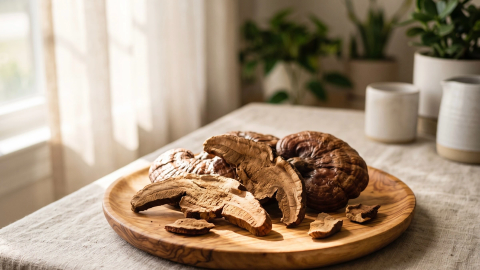
Reishi – το μανιτάρι της αθανασίας
Reishi, ένα μανιτάρι που χρησιμοποιείται εδώ και 4000 χρόνια. Το θεϊκό μανιτάρι της αθανασίας - στο παρελθόν πίστευαν ότι μπορούσε να αναστήσει ακόμη και τους νεκρούς. Έχει σημαντική θέση κυρίως στην κινεζική ιατρική (με την ονομασία lingzhi), όπου αναφέρεται γραπτώς ήδη 200 χρόνια πριν από τον Χριστό. Για την αναζήτησή της είχε διατεθεί ολόκληρος στρατός, καθώς η κινεζική αυτοκρατορική αυλή πίστευε ότι με τη βοήθειά της μπορούσε να παρασκευαστεί το ελιξίριο της αθανασίας. Η σλοβακική ονομασία δεν θα σας πει πολλά - Leskokôrovka hnedočervená, είναι στην πραγματικότητα ένα ξυλοφάγο παρασιτικό μανιτάρι, που ζει κυρίως σε τραυματισμένα δέντρα. Έχει ένα τεράστιο φάσμα βιολογικών ουσιών. Τα αποτελέσματά του περιγράφονται επίσης στην επιστημονική εγκυκλοπαίδεια Μανιτάρια ως .
Φανταστείτε ότι το σώμα σας είναι ένα εργοστάσιο που λειτουργεί σε πλήρη ισχύ (για να εξασφαλίσει ενέργεια, ανάπτυξη, επιδιόρθωση κυττάρων) και ο σίδηρος είναι το καύσιμο που το κρατά σε λειτουργία. Εάν τα αποθέματα σιδήρου εξαντληθούν αμέσως, θα εμφανιστούν αδυναμία, ταχυκαρδία ή χλωμό δέρμα. Τα συμπτώματα της έλλειψης σιδήρου είναι εύθραυστα νύχια, ξηρά μαλλιά, δύσπνοια, προβλήματα ύπνου, μειωμένη συγκέντρωση, κρύα άκρα, αυξημένη συχνότητα λοιμώξεων και αναιμία (έλλειψη ερυθρών αιμοσφαιρίων που προκαλείται από πολύ μικρή ποσότητα σιδήρου στο σώμα) που εκδηλώνεται με ακραία κόπωση. Σε περίπτωση αναιμίας, το σώμα δεν τροφοδοτείται επαρκώς με οξυγόνο και εξαντλείται γρήγορα. Ένα σημάδι έλλειψης σιδήρου μπορεί να είναι και η δημιουργία μωλωπισμάτων, καθώς αυτό το μέταλλο είναι σημαντικό για τη δημιουργία της αιμοίνης, η οποία υποστηρίζει τη σωστή λειτουργία των αιμοπεταλίων.
 Ανοσία και ζωτικότητα
Σίδηρος – το μυστικό της υγείας και της ενέργειάς σας
Φανταστείτε ότι το σώμα σας είναι ένα εργοστάσιο που λειτουργεί σε πλήρη ισχύ (για να εξασφαλίσει ενέργεια, ανάπτυξη, επιδιόρθωση κυττάρων) και ο σίδηρος είναι το καύσιμο που το κρατά σε λειτουργία. Εάν τα αποθέματα σιδήρου εξαντληθούν αμέσως, θα εμφανιστούν αδυναμία, ταχυκαρδία ή χλωμό δέρμα. Τα συμπτώματα της έλλειψης σιδήρου είναι εύθραυστα νύχια, ξηρά μαλλιά, δύσπνοια, προβλήματα ύπνου, μειωμένη συγκέντρωση, κρύα άκρα, αυξημένη συχνότητα λοιμώξεων και αναιμία (έλλειψη ερυθρών αιμοσφαιρίων που προκαλείται από πολύ μικρή ποσότητα σιδήρου στο σώμα) που εκδηλώνεται με ακραία κόπωση. Σε περίπτωση αναιμίας, το σώμα δεν τροφοδοτείται επαρκώς με οξυγόνο και εξαντλείται γρήγορα. Ένα σημάδι έλλειψης σιδήρου μπορεί να είναι και η δημιουργία μωλωπισμάτων, καθώς αυτό το μέταλλο είναι σημαντικό για τη δημιουργία της αιμοίνης, η οποία υποστηρίζει τη σωστή λειτουργία των αιμοπεταλίων.
Εκτός από τα συμπληρώματα, τη λειτουργία και τα διάφορα συμπληρώματα, το σώμα μας χρειάζεται να 100% και τις λεγόμενες ιχνοστοιχεία. Ο χαρακτηρισμός "ίχνη" σημαίνει ότι το σώμα μας τα χρειάζεται μόνο σε μικρές ποσότητες. Χρειαζόμαστε 10mg ψευδαργύρου την ημέρα, που είναι 37 φορές μικρότερο σε σύγκριση με το μαγνήσιο (375mg). Φαίνεται ότι μιλάμε για μια πλήρη αχρηστία. Ωστόσο, το αντίθετο είναι αλήθεια. Ο ψευδάργυρος επηρεάζει πάνω από 200 βιοχημικές αντιδράσεις στο σώμα μας!
 Υγεία
Υγεία
Ψευδάργυρος – ο εχθρός της κόπωσης
Εκτός από τα συμπληρώματα, τη λειτουργία και τα διάφορα συμπληρώματα, το σώμα μας χρειάζεται να 100% και τις λεγόμενες ιχνοστοιχεία. Ο χαρακτηρισμός "ίχνη" σημαίνει ότι το σώμα μας τα χρειάζεται μόνο σε μικρές ποσότητες. Χρειαζόμαστε 10mg ψευδαργύρου την ημέρα, που είναι 37 φορές μικρότερο σε σύγκριση με το μαγνήσιο (375mg). Φαίνεται ότι μιλάμε για μια πλήρη αχρηστία. Ωστόσο, το αντίθετο είναι αλήθεια. Ο ψευδάργυρος επηρεάζει πάνω από 200 βιοχημικές αντιδράσεις στο σώμα μας!
Από αιώνες, οι άνθρωποι προσπαθούσαν να βρουν θαυματουργά βότανα και μανιτάρια που να προάγουν την υγεία, να θεραπεύουν θανατηφόρες ασθένειες και να ενισχύουν την ανδρική δύναμη. Κάθε πολιτισμός έχει τα δικά του εγγυημένα αφροδισιακά. Στη χώρα μας είναι γνωστά κυρίως τα στρείδια ή η σοκολάτα. Τελευταία όμως, κυρίως με την ανάπτυξη του τουρισμού, μαθαίνουμε σταδιακά και για άλλα διεγερτικά μέσα που χρησιμοποιούν οι άνθρωποι, συχνά στην άλλη πλευρά του πλανήτη. Ένα από τα παλαιότερα μέσα για την ενίσχυση της ανδρικής δύναμης είναι το περουβιανό βότανο Maca.
 Ανοσία και ζωτικότητα
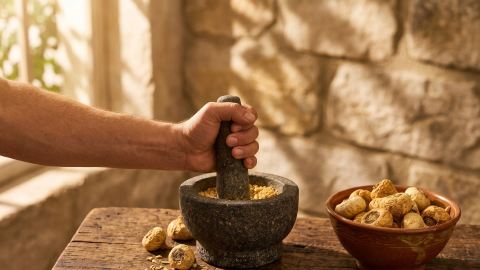
Μάκα – το περουβιανό τζένσεν
Από αιώνες, οι άνθρωποι προσπαθούσαν να βρουν θαυματουργά βότανα και μανιτάρια που να προάγουν την υγεία, να θεραπεύουν θανατηφόρες ασθένειες και να ενισχύουν την ανδρική δύναμη. Κάθε πολιτισμός έχει τα δικά του εγγυημένα αφροδισιακά. Στη χώρα μας είναι γνωστά κυρίως τα στρείδια ή η σοκολάτα. Τελευταία όμως, κυρίως με την ανάπτυξη του τουρισμού, μαθαίνουμε σταδιακά και για άλλα διεγερτικά μέσα που χρησιμοποιούν οι άνθρωποι, συχνά στην άλλη πλευρά του πλανήτη. Ένα από τα παλαιότερα μέσα για την ενίσχυση της ανδρικής δύναμης είναι το περουβιανό βότανο Maca.
Αν είστε ενεργός στα κοινωνικά δίκτυα, σίγουρα γνωρίζετε ήδη τον όρο «γαϊδουράγκαθο». Είναι το φαινόμενο του 2024, οι διαφημίσεις για αυτό το «θαυματουργό βότανο» βρίσκονται παντού. Σε αντίθεση με άλλα συμπληρώματα διατροφής, δεν υπάρχει κανείς που να αμφισβητεί τα αποτελέσματα αυτού του φυτού. Διαφέρουν μόνο οι απόψεις για τα μεμονωμένα προϊόντα και τους τρόπους επεξεργασίας τους. Σε τι συνίσταται το θαύμα αυτού του αγριοκάρδαμου;
 Υγεία
Υγεία
Το γαϊδουράγκαθο και το ήπαρ
Αν είστε ενεργός στα κοινωνικά δίκτυα, σίγουρα γνωρίζετε ήδη τον όρο «γαϊδουράγκαθο». Είναι το φαινόμενο του 2024, οι διαφημίσεις για αυτό το «θαυματουργό βότανο» βρίσκονται παντού. Σε αντίθεση με άλλα συμπληρώματα διατροφής, δεν υπάρχει κανείς που να αμφισβητεί τα αποτελέσματα αυτού του φυτού. Διαφέρουν μόνο οι απόψεις για τα μεμονωμένα προϊόντα και τους τρόπους επεξεργασίας τους. Σε τι συνίσταται το θαύμα αυτού του αγριοκάρδαμου;
Δεν έχετε ακούσει ακόμα για αυτό το συναρπαστικό μανιτάρι με την ιδιαίτερη εμφάνιση και τον τρόπο ύπαρξής του; Οι ονομασίες «κινέζικη κάμπια, χρυσός των Ιμαλαΐων ή μανιτάρι της μακροζωίας» δεν αποκαλύπτουν πολλά...
 Ενέργεια
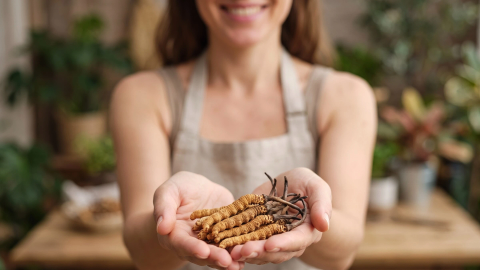
Το Cordyceps sinensis με τον απίστευτο κύκλο ζωής του
Δεν έχετε ακούσει ακόμα για αυτό το συναρπαστικό μανιτάρι με την ιδιαίτερη εμφάνιση και τον τρόπο ύπαρξής του; Οι ονομασίες «κινέζικη κάμπια, χρυσός των Ιμαλαΐων ή μανιτάρι της μακροζωίας» δεν αποκαλύπτουν πολλά...
Σίγουρα γνωρίζετε το συναίσθημα όταν αισθάνεστε ότι απειλείστε. Ένας μεγάλος σκύλος έτρεξε εναντίον σας πίσω από τον φράχτη, το αφεντικό σας έπεσε πάνω σας σε μια συνάντηση και σας έφερε κάτω από το έδαφος, ή η υποθήκη σας λήγει αύριο και μόλις απολυθήκατε από τη δουλειά σας. Σε τέτοιες περιπτώσεις, το σώμα παράγει μια στεροειδής ορμόνη - την κορτιζόλη. Αυτή μας προστατεύει ήδη σε επικίνδυνες καταστάσεις και το σώμα προετοιμάζει τη θέση "μάχη ή φυγή". Η καρδιά αντλεί, το αίμα τρέχει στα ζωτικά όργανα, τα επίπεδα του πόνου καταστέλλονται... Λέτε στον εαυτό σας - το πιο χρήσιμο πράγμα κάτω από τον ήλιο!
 Υγεία
Υγεία
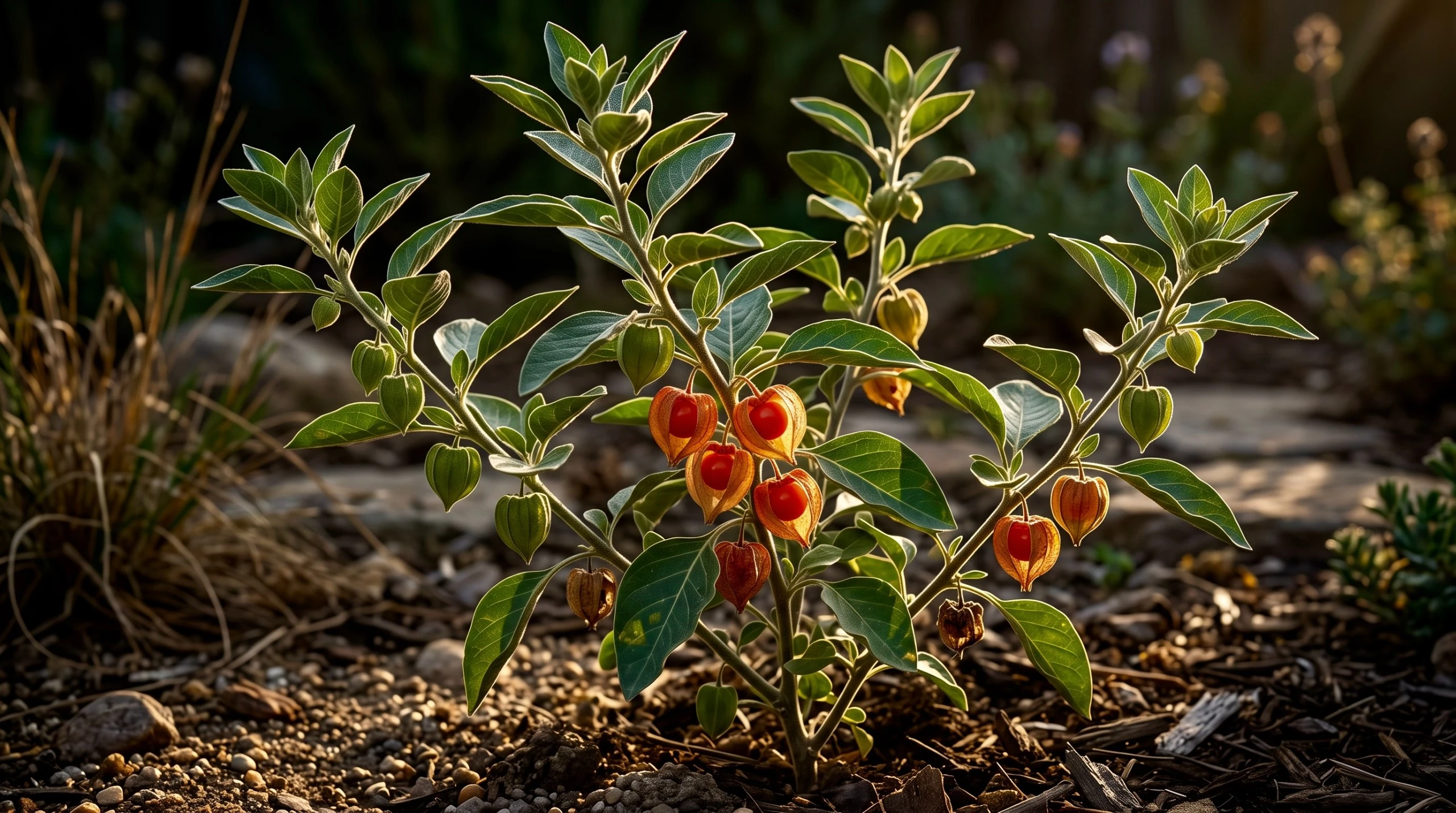
Ashwagandha – ο καταπολεμητής της κορτιζόλης
Σίγουρα γνωρίζετε το συναίσθημα όταν αισθάνεστε ότι απειλείστε. Ένας μεγάλος σκύλος έτρεξε εναντίον σας πίσω από τον φράχτη, το αφεντικό σας έπεσε πάνω σας σε μια συνάντηση και σας έφερε κάτω από το έδαφος, ή η υποθήκη σας λήγει αύριο και μόλις απολυθήκατε από τη δουλειά σας. Σε τέτοιες περιπτώσεις, το σώμα παράγει μια στεροειδής ορμόνη - την κορτιζόλη. Αυτή μας προστατεύει ήδη σε επικίνδυνες καταστάσεις και το σώμα προετοιμάζει τη θέση "μάχη ή φυγή". Η καρδιά αντλεί, το αίμα τρέχει στα ζωτικά όργανα, τα επίπεδα του πόνου καταστέλλονται... Λέτε στον εαυτό σας - το πιο χρήσιμο πράγμα κάτω από τον ήλιο!
Εκτός από το γνωστό μείγμα βιταμινών B-Komplex, μεμονωμένες βιταμίνες μπορούν επίσης να αγοραστούν ως αλάτι. Για ποιο λόγο είναι καλό; Το γνωστό σύνολο βιταμινών Β είναι ένα καλό συμπλήρωμα διατροφής, έχετε μια συνολική ανεπάρκεια βιταμινών στο σώμα. Ωστόσο, εάν δεν αντιμετωπίζετε κάποιο συγκεκριμένο πρόβλημα, μερικές φορές ο συγκεκριμένος τύπος βιταμίνης που χρειάζεστε για συμπλήρωμα είναι πιο κατάλληλος. Γιατί λοιπόν χρειάζεται η βιταμίνη Β2;
 Ενέργεια
Βιταμίνη Β2 Ριβοφλαβίνη
Εκτός από το γνωστό μείγμα βιταμινών B-Komplex, μεμονωμένες βιταμίνες μπορούν επίσης να αγοραστούν ως αλάτι. Για ποιο λόγο είναι καλό; Το γνωστό σύνολο βιταμινών Β είναι ένα καλό συμπλήρωμα διατροφής, έχετε μια συνολική ανεπάρκεια βιταμινών στο σώμα. Ωστόσο, εάν δεν αντιμετωπίζετε κάποιο συγκεκριμένο πρόβλημα, μερικές φορές ο συγκεκριμένος τύπος βιταμίνης που χρειάζεστε για συμπλήρωμα είναι πιο κατάλληλος. Γιατί λοιπόν χρειάζεται η βιταμίνη Β2;
Η βιταμίνη Β1 ανήκει στις ομάδες Β1 έως Β12, τις οποίες ονομάζουμε με τον κοινό όρο σύμπλεγμα Β. Με αυτό το όνομα πρέπει να συμπληρώσουμε όλες τις βιταμίνες αυτής της ομάδας. Τι χρειάζομαι όμως μόνο μία από αυτές; Χρειάζεστε ολόκληρη την ομάδα - τις πιο σημαντικές βιταμίνες της ομάδας Β μπορείτε να τις πάρετε ξεχωριστά.
 Ενέργεια
Βιταμίνη Β1 (θειαμίνη)
Η βιταμίνη Β1 ανήκει στις ομάδες Β1 έως Β12, τις οποίες ονομάζουμε με τον κοινό όρο σύμπλεγμα Β. Με αυτό το όνομα πρέπει να συμπληρώσουμε όλες τις βιταμίνες αυτής της ομάδας. Τι χρειάζομαι όμως μόνο μία από αυτές; Χρειάζεστε ολόκληρη την ομάδα - τις πιο σημαντικές βιταμίνες της ομάδας Β μπορείτε να τις πάρετε ξεχωριστά.
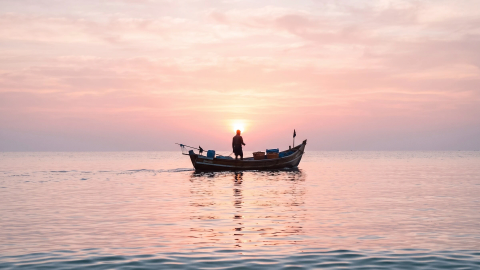
Υπάρχει μια σκηνή σε μια παλιά ταινία όπου η γιαγιά ή ο παππούς βάζουν τα μικρά παιδιά να πίνουν μια κουταλιά ιχθυέλαιο κάθε πρωί. Τα παιδιά το μισούν, έχει αηδιαστική γεύση. "Μα θα είστε υγιείς!" - είναι η φράση των στοργικών παππούδων και γιαγιάδων. Από πού προήλθε αυτό; Ισχύει ακόμα και σήμερα, μόνο που η επιστήμη έχει καταφέρει να μετατρέψει το θαυματουργό ιχθυέλαιο σε "συνηθισμένες" ταμπλέτες ή εκχυλίσματα χωρίς φυσιολογική γεύση.
 Υγεία
Υγεία
Τα ωμέγα-3 προστατεύουν το καρδιαγγειακό σας σύστημα
Υπάρχει μια σκηνή σε μια παλιά ταινία όπου η γιαγιά ή ο παππούς βάζουν τα μικρά παιδιά να πίνουν μια κουταλιά ιχθυέλαιο κάθε πρωί. Τα παιδιά το μισούν, έχει αηδιαστική γεύση. "Μα θα είστε υγιείς!" - είναι η φράση των στοργικών παππούδων και γιαγιάδων. Από πού προήλθε αυτό; Ισχύει ακόμα και σήμερα, μόνο που η επιστήμη έχει καταφέρει να μετατρέψει το θαυματουργό ιχθυέλαιο σε "συνηθισμένες" ταμπλέτες ή εκχυλίσματα χωρίς φυσιολογική γεύση.
Γνωρίζετε αυτή την αίσθηση; Το πρωί βγαίνετε από το σπίτι, σας υποδέχεται πυκνή ομίχλη, ο κρύος άνεμος «μπαίνει» δυσάρεστα κάτω από το παλτό σας και στο τραμ ή στο γραφείο ακούγονται ήδη από παντού τα πρώτα βήχια. Το φθινόπωρο και ο χειμώνας έχουν τη δική τους αναμφισβήτητη γοητεία – ζεστά πουλόβερ, βραδιές κάτω από την κουβέρτα και τζάκι που σιγοκαίει. Ωστόσο, για τον οργανισμό μας, αυτή η περίοδος αποτελεί μια πραγματικά επίπονη δοκιμασία.
 Ανοσία και ζωτικότητα
Πώς να προετοιμάσετε τον οργανισμό σας για το κρύο καιρό: 5 καθημερινές συνήθειες για ισχυρό ανοσοποιητικό σύστημα
Γνωρίζετε αυτή την αίσθηση; Το πρωί βγαίνετε από το σπίτι, σας υποδέχεται πυκνή ομίχλη, ο κρύος άνεμος «μπαίνει» δυσάρεστα κάτω από το παλτό σας και στο τραμ ή στο γραφείο ακούγονται ήδη από παντού τα πρώτα βήχια. Το φθινόπωρο και ο χειμώνας έχουν τη δική τους αναμφισβήτητη γοητεία – ζεστά πουλόβερ, βραδιές κάτω από την κουβέρτα και τζάκι που σιγοκαίει. Ωστόσο, για τον οργανισμό μας, αυτή η περίοδος αποτελεί μια πραγματικά επίπονη δοκιμασία.
Προσπαθείτε να πίνετε πιστά τα συνιστώμενα δύο έως τρία λίτρα νερού την ημέρα, αλλά παρ’ όλα αυτά το απόγευμα νιώθετε κουρασμένοι, το σώμα σας είναι πιασμένο και το δέρμα σας φαίνεται χλωμό και άψυχο;
 Ανοσία και ζωτικότητα
Το μυστικό της ενυδάτωσης των κυττάρων και της πρωινής αναζωογόνησης του σώματος
Προσπαθείτε να πίνετε πιστά τα συνιστώμενα δύο έως τρία λίτρα νερού την ημέρα, αλλά παρ’ όλα αυτά το απόγευμα νιώθετε κουρασμένοι, το σώμα σας είναι πιασμένο και το δέρμα σας φαίνεται χλωμό και άψυχο;
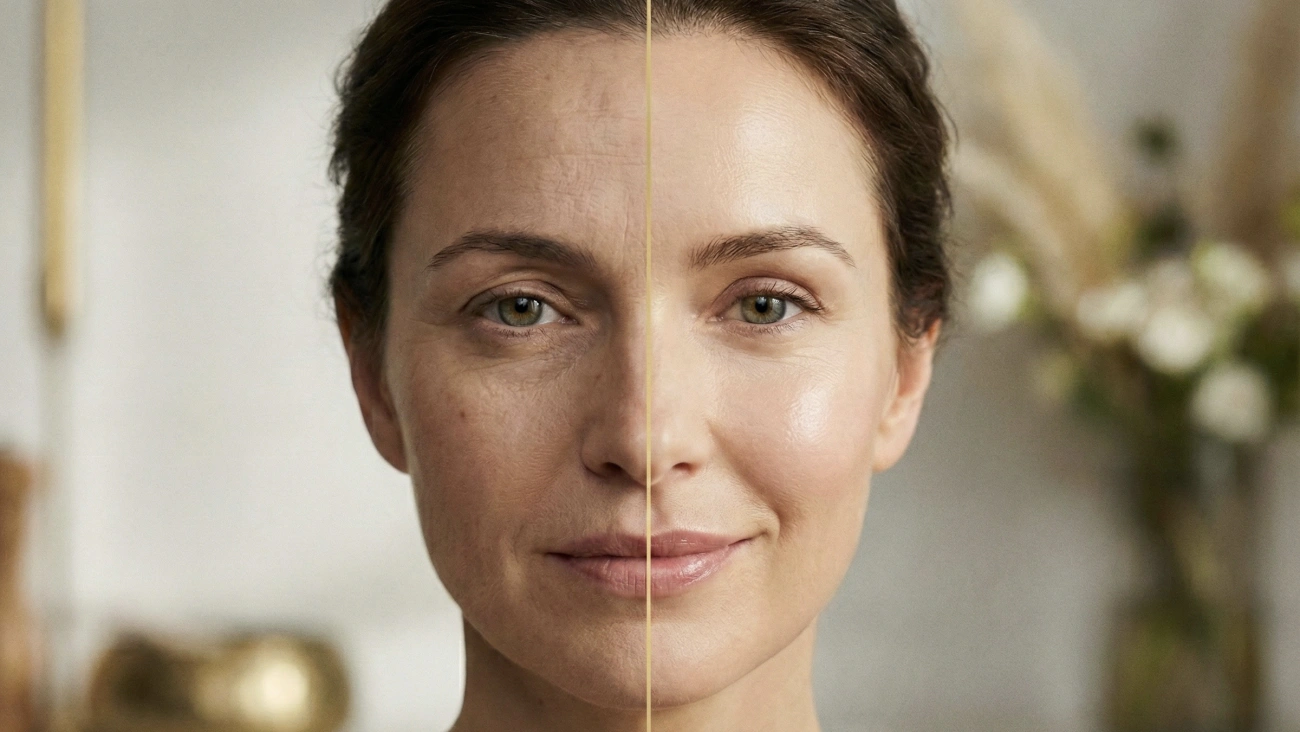
Ίσως το έχετε παρατηρήσει: παρά τη χρήση μιας ποιοτικής ενυδατικής κρέμας, στο τέλος της ημέρας το δέρμα είναι τεντωμένο, κουρασμένο και οι λεπτές ρυτίδες γύρω από τα μάτια ή το στόμα φαίνονται κάπως πιο έντονες. Συχνά έχουμε την τάση να καταφεύγουμε σε επιπλέον ορούς, όμως η κατάσταση του δέρματος είναι πρωτίστως αντανάκλαση των διεργασιών που λαμβάνουν χώρα βαθιά κάτω από την επιφάνειά του.
 Ομορφιά και δέρμα
Πώς το κολλαγόνο βοηθά στην καταπολέμηση των ρυτίδων και της αφυδάτωσης του δέρματος
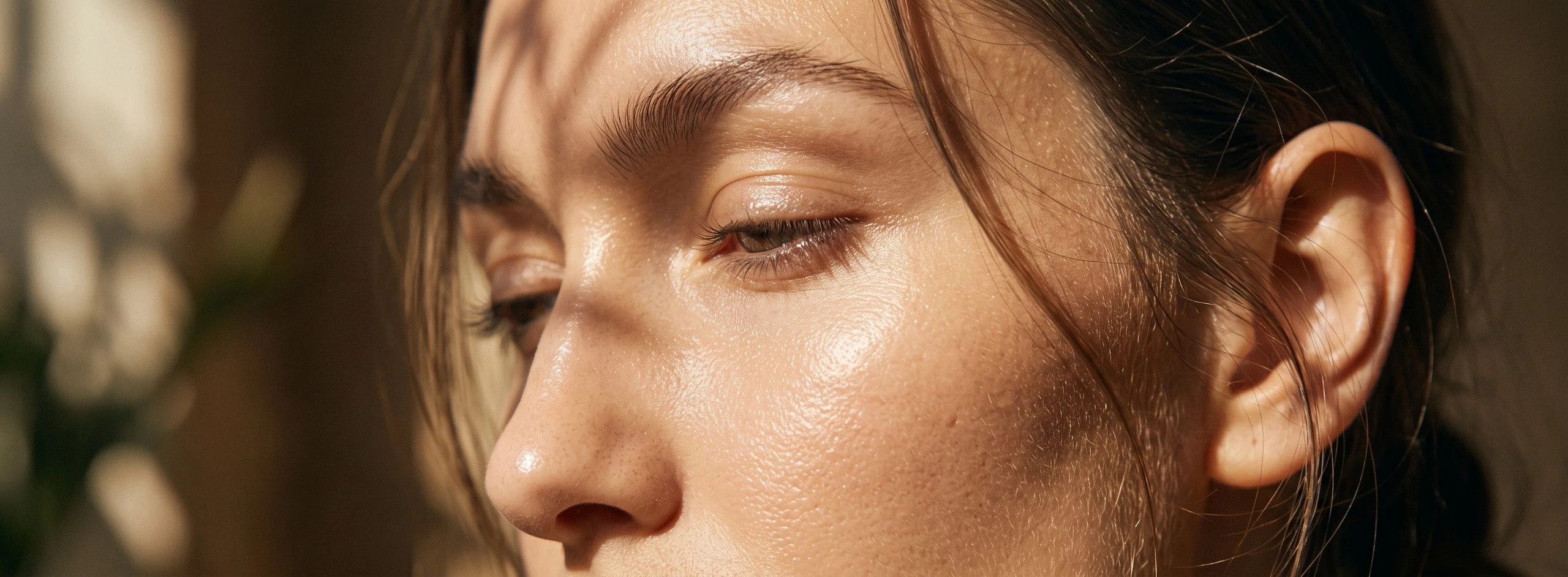
Ίσως το έχετε παρατηρήσει: παρά τη χρήση μιας ποιοτικής ενυδατικής κρέμας, στο τέλος της ημέρας το δέρμα είναι τεντωμένο, κουρασμένο και οι λεπτές ρυτίδες γύρω από τα μάτια ή το στόμα φαίνονται κάπως πιο έντονες. Συχνά έχουμε την τάση να καταφεύγουμε σε επιπλέον ορούς, όμως η κατάσταση του δέρματος είναι πρωτίστως αντανάκλαση των διεργασιών που λαμβάνουν χώρα βαθιά κάτω από την επιφάνειά του.
Γνωρίζετε εκείνη την αίσθηση, όταν δεν αισθάνεστε ο εαυτός σας, αλλά δεν μπορείτε να εξηγήσετε ακριβώς γιατί; Το πρωί ξυπνάτε χωρίς ενέργεια, τα αγαπημένα σας τζιν σας στενεύουν ξαφνικά και ακόμη και μια μικροπράξη μπορεί να σας εκνευρίσει μέχρι αφάνταστος. Συχνά αποδίδουμε αυτές τις καταστάσεις στην υπερκόπωση, στον κακό καιρό, στην ηλικία ή στην απλή κούραση.
 Αρμονία
Ορμονική ανισορροπία: 7 διακριτικά σημάδια ότι το σώμα σας χρειάζεται υποστήριξη
Γνωρίζετε εκείνη την αίσθηση, όταν δεν αισθάνεστε ο εαυτός σας, αλλά δεν μπορείτε να εξηγήσετε ακριβώς γιατί; Το πρωί ξυπνάτε χωρίς ενέργεια, τα αγαπημένα σας τζιν σας στενεύουν ξαφνικά και ακόμη και μια μικροπράξη μπορεί να σας εκνευρίσει μέχρι αφάνταστος. Συχνά αποδίδουμε αυτές τις καταστάσεις στην υπερκόπωση, στον κακό καιρό, στην ηλικία ή στην απλή κούραση.
Ξέρετε αυτή την αίσθηση γύρω στις δύο ή τρεις το απόγευμα. Ολοκληρώνετε έναν πίνακα, απαντάτε σε ένα ακόμα email ή περιηγείστε στα κοινωνικά δίκτυα, όταν ξαφνικά τα μάτια σας αρχίζουν να καίνε. Ανοιγοκλείνετε τα μάτια πιο γρήγορα, το κείμενο στην οθόνη γίνεται ελαφρώς θολό και έχετε την αίσθηση ότι κάποιος σας έριξε ψιλή άμμο κάτω από τα βλέφαρα.
 Υγεία
Υγεία
Γιατί τα ωμέγα-3 είναι αποτελεσματικά για τα κουρασμένα από την οθόνη μάτια;
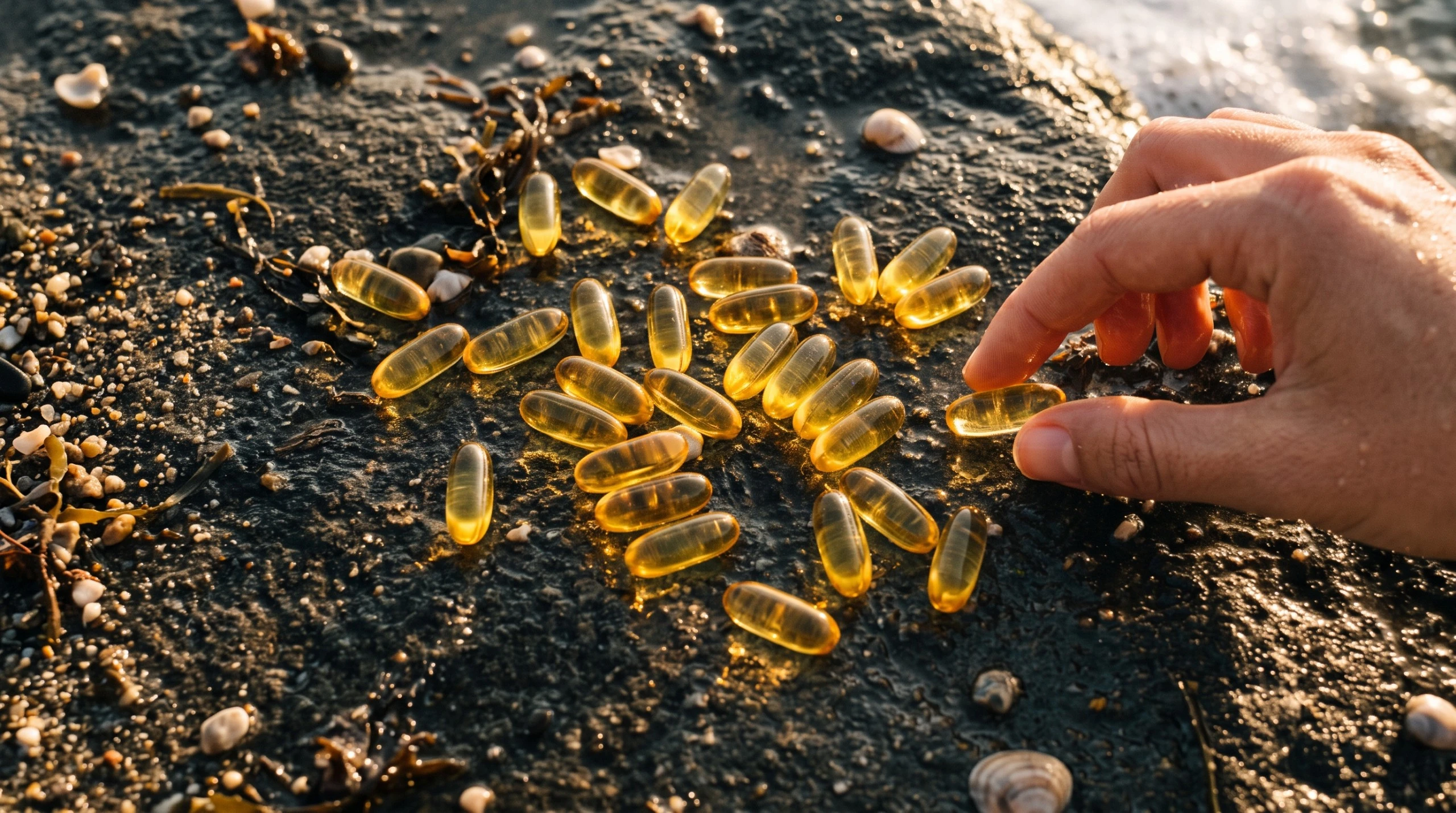
Ξέρετε αυτή την αίσθηση γύρω στις δύο ή τρεις το απόγευμα. Ολοκληρώνετε έναν πίνακα, απαντάτε σε ένα ακόμα email ή περιηγείστε στα κοινωνικά δίκτυα, όταν ξαφνικά τα μάτια σας αρχίζουν να καίνε. Ανοιγοκλείνετε τα μάτια πιο γρήγορα, το κείμενο στην οθόνη γίνεται ελαφρώς θολό και έχετε την αίσθηση ότι κάποιος σας έριξε ψιλή άμμο κάτω από τα βλέφαρα.
Ίσως το έχετε παρατηρήσει κι εσείς στο φαρμακείο ή σε κάποιο ηλεκτρονικό κατάστημα: η κλασική βιταμίνη C κοστίζει μερικά ευρώ, ενώ ακριβώς δίπλα της βρίσκεται η ίδια βιταμίνη με την ένδειξη «λιποσωμική», η οποία κοστίζει τρεις έως τέσσερις φορές περισσότερο.
 Υγεία
Υγεία
Αξίζει να πληρώσετε επιπλέον για λιποσωμικές βιταμίνες;
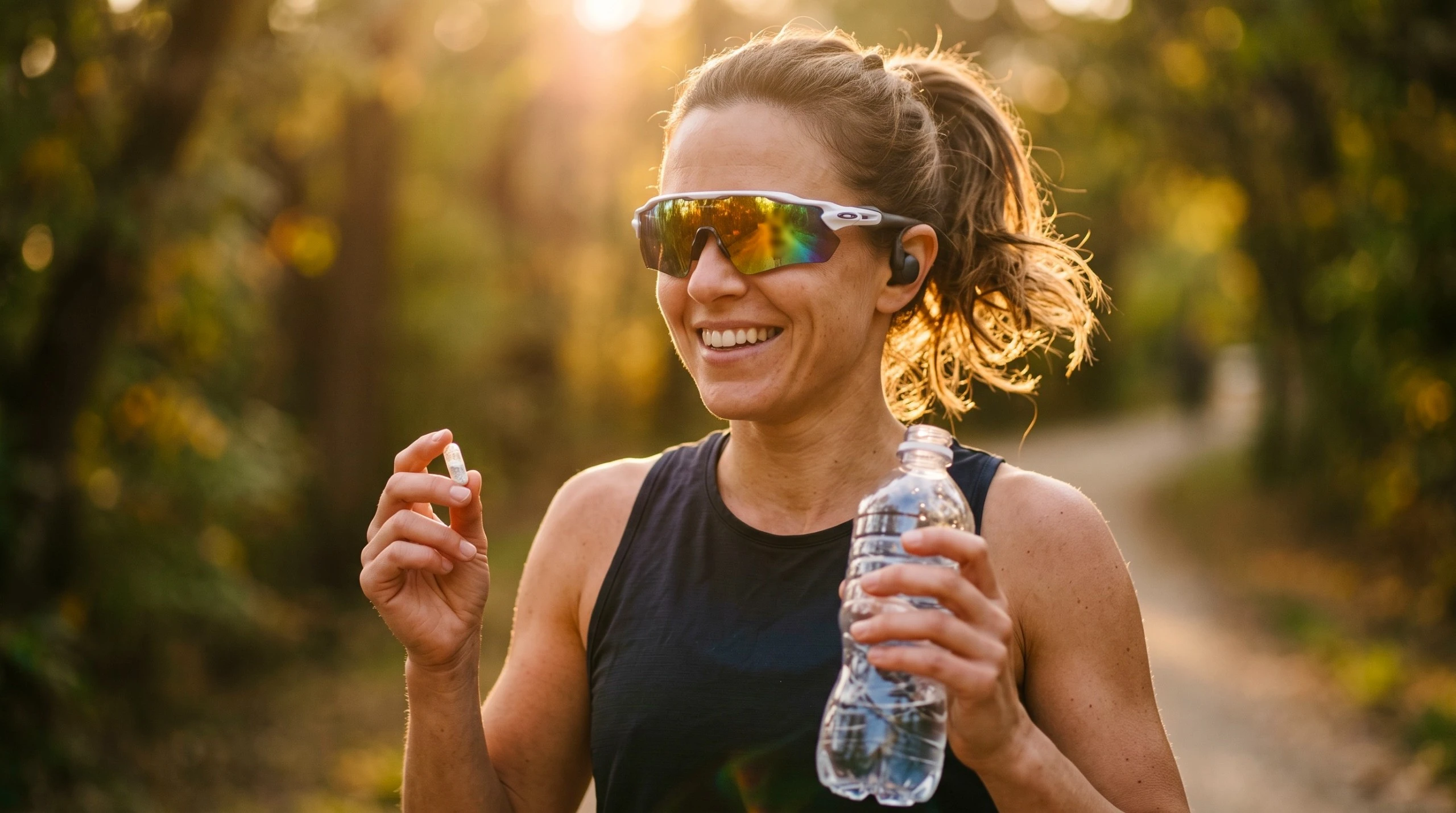
Ίσως το έχετε παρατηρήσει κι εσείς στο φαρμακείο ή σε κάποιο ηλεκτρονικό κατάστημα: η κλασική βιταμίνη C κοστίζει μερικά ευρώ, ενώ ακριβώς δίπλα της βρίσκεται η ίδια βιταμίνη με την ένδειξη «λιποσωμική», η οποία κοστίζει τρεις έως τέσσερις φορές περισσότερο.
Αυτή η εικόνα είναι γνωστή σχεδόν σε όλους: μια γεμάτη βούρτσα μετά από ένα μόνο χτένισμα, τούφες μαλλιών στην αποχέτευση του ντους και μια δυσάρεστη αίσθηση στο στομάχι καθώς φτιάχνεις το χτένισμά σου μπροστά στον καθρέφτη.
 Ομορφιά και δέρμα
Γιατί χάνετε υπερβολικά τα μαλλιά σας; 5 αθόρυβα σημάδια του σώματος που υποδηλώνουν ότι σας λείπουν βασικά μικροθρεπτικά συστατικά
Αυτή η εικόνα είναι γνωστή σχεδόν σε όλους: μια γεμάτη βούρτσα μετά από ένα μόνο χτένισμα, τούφες μαλλιών στην αποχέτευση του ντους και μια δυσάρεστη αίσθηση στο στομάχι καθώς φτιάχνεις το χτένισμά σου μπροστά στον καθρέφτη.
Στην προσπάθειά μας να κάνουμε ό,τι μπορούμε για την υγεία μας, συχνά καταφεύγουμε σε κάθε είδους συνδυασμούς καψουλών και βιταμινών. Αν και η πρόθεση είναι καλή, το σώμα μας δεν λειτουργεί σαν ένα δοχείο στο οποίο αρκεί να ρίξουμε οτιδήποτε οποιαδήποτε στιγμή. Πολλές βιταμίνες χρησιμοποιούν τις ίδιες οδούς απορρόφησης, συνδέονται με τους ίδιους υποδοχείς ή επηρεάζουν άμεσα το μεταβολισμό των άλλων.
 Υγεία
Υγεία
Κακές συνδυασμοί συμπληρωμάτων: Μην λαμβάνετε ποτέ αυτές τις ουσίες ταυτόχρονα
Στην προσπάθειά μας να κάνουμε ό,τι μπορούμε για την υγεία μας, συχνά καταφεύγουμε σε κάθε είδους συνδυασμούς καψουλών και βιταμινών. Αν και η πρόθεση είναι καλή, το σώμα μας δεν λειτουργεί σαν ένα δοχείο στο οποίο αρκεί να ρίξουμε οτιδήποτε οποιαδήποτε στιγμή. Πολλές βιταμίνες χρησιμοποιούν τις ίδιες οδούς απορρόφησης, συνδέονται με τους ίδιους υποδοχείς ή επηρεάζουν άμεσα το μεταβολισμό των άλλων.
Μόλις η θερμοκρασία πέσει κοντά στο μηδέν και ακουστεί ο πρώτος βήχας στο γραφείο ή στο λεωφορείο, σε πολλά νοικοκυριά ξεκινά το ίδιο τελετουργικό: ένα ποτήρι νερό με αναβράζον «C» και μια τυχαία δόση σταγόνων βιταμίνης D. Έχουμε συνηθίσει να τα θεωρούμε ως «πυροσβεστήρα» – κάτι που βγάζουμε από το ντουλάπι πανικόβλητοι, όταν νιώθουμε ήδη τον ερεθισμό στο λαιμό. Ωστόσο, η επιστήμη και η βιολογία του ανθρώπινου σώματος λειτουργούν διαφορετικά από το μάρκετινγκ των φαρμακευτικών εταιρειών. Και για τις δύο βιταμίνες, πληρώνουμε συχνά για μια ψευδή αίσθηση ασφάλειας.
 Υγεία
Υγεία
Μύθοι και πραγματικότητα για τις βιταμίνες C και D: Πότε ενισχύουν πραγματικά το ανοσοποιητικό σύστημα και πότε δεν έχουν αποτέλεσμα;
Μόλις η θερμοκρασία πέσει κοντά στο μηδέν και ακουστεί ο πρώτος βήχας στο γραφείο ή στο λεωφορείο, σε πολλά νοικοκυριά ξεκινά το ίδιο τελετουργικό: ένα ποτήρι νερό με αναβράζον «C» και μια τυχαία δόση σταγόνων βιταμίνης D. Έχουμε συνηθίσει να τα θεωρούμε ως «πυροσβεστήρα» – κάτι που βγάζουμε από το ντουλάπι πανικόβλητοι, όταν νιώθουμε ήδη τον ερεθισμό στο λαιμό. Ωστόσο, η επιστήμη και η βιολογία του ανθρώπινου σώματος λειτουργούν διαφορετικά από το μάρκετινγκ των φαρμακευτικών εταιρειών. Και για τις δύο βιταμίνες, πληρώνουμε συχνά για μια ψευδή αίσθηση ασφάλειας.
Βουλωμένη μύτη, ανεξήγητο φτέρνισμα, κόκκινες κηλίδες στο δέρμα ή κράμπες στην κοιλιά μετά από ένα φαινομενικά ακίνδυνο γεύμα. Αν σας είναι οικείες αυτές οι καταστάσεις, πιθανότατα έχετε ήδη συναντήσει τους όρους «εποχιακή αλλεργία» ή «δυσανεξία στην ισταμίνη» (HIT).
 Ανοσία και ζωτικότητα
Σας ενοχλεί η ισταμίνη; Αυτές οι φυσικές ουσίες θα ηρεμήσουν τον οργανισμό σας
Βουλωμένη μύτη, ανεξήγητο φτέρνισμα, κόκκινες κηλίδες στο δέρμα ή κράμπες στην κοιλιά μετά από ένα φαινομενικά ακίνδυνο γεύμα. Αν σας είναι οικείες αυτές οι καταστάσεις, πιθανότατα έχετε ήδη συναντήσει τους όρους «εποχιακή αλλεργία» ή «δυσανεξία στην ισταμίνη» (HIT).
Ζούμε σε μια εποχή όπου η συνεχής ένταση και η υπερφόρτωση του νευρικού συστήματος αποτελούν σχεδόν κοινωνικό κανόνα. Το χρόνιο άγχος και η δυσάρεστη, σιγά-σιγά εξαπλώμενη αγωνία δεν είναι πια απλώς αφηρημένες ψυχολογικές έννοιες. Εκδηλώνονται με σφίξιμο στο στομάχι, ατελείωτη ροή σκέψεων πριν τον ύπνο και αίσθημα εξάντλησης, από το οποίο δεν μπορεί κανείς να ξεφύγει απλά με έναν καλό ύπνο. Και σαν να μην έφταναν όλα αυτά, μεταξύ των δυσάρεστων συμπτωμάτων μπορούμε να συμπεριλάβουμε και τις στομαχικές διαταραχές. Αν και η βάση της ψυχικής ισορροπίας παραμένει ο ύπνος, η σωματική άσκηση και η προσαρμογή του τρόπου ζωής μας, το σώμα μας, κατά τη διάρκεια μακροχρόνιας νευρικής έντασης, καταναλώνει βασικά μικροθρεπτικά συστατικά και, με αυτόν τον τρόπο, ζητά βοήθεια.
 Υγεία
Υγεία
Πώς να μειώσετε τα επίπεδα άγχους χωρίς φάρμακα: 5 συμπληρώματα που έχουν πραγματική αποτελεσματικότητα
Ζούμε σε μια εποχή όπου η συνεχής ένταση και η υπερφόρτωση του νευρικού συστήματος αποτελούν σχεδόν κοινωνικό κανόνα. Το χρόνιο άγχος και η δυσάρεστη, σιγά-σιγά εξαπλώμενη αγωνία δεν είναι πια απλώς αφηρημένες ψυχολογικές έννοιες. Εκδηλώνονται με σφίξιμο στο στομάχι, ατελείωτη ροή σκέψεων πριν τον ύπνο και αίσθημα εξάντλησης, από το οποίο δεν μπορεί κανείς να ξεφύγει απλά με έναν καλό ύπνο. Και σαν να μην έφταναν όλα αυτά, μεταξύ των δυσάρεστων συμπτωμάτων μπορούμε να συμπεριλάβουμε και τις στομαχικές διαταραχές. Αν και η βάση της ψυχικής ισορροπίας παραμένει ο ύπνος, η σωματική άσκηση και η προσαρμογή του τρόπου ζωής μας, το σώμα μας, κατά τη διάρκεια μακροχρόνιας νευρικής έντασης, καταναλώνει βασικά μικροθρεπτικά συστατικά και, με αυτόν τον τρόπο, ζητά βοήθεια.
Τα πρωινά αρχίζουν να γίνονται πιο κρύα, οι μέρες μειώνονται αμείλικτα και η πρωινή ομίχλη μας υπενθυμίζει ότι το καλοκαίρι έχει παραδώσει οριστικά τη σκυτάλη στο φθινόπωρο. Μαζί με τα χοντρά πουλόβερ και το φλιτζάνι ζεστό τσάι, έρχεται όμως και η εποχή που ο οργανισμός μας αντιμετωπίζει μια δοκιμασία αντοχής. Ο ψυχρότερος καιρός, οι πολυσύχναστοι χώροι και η έλλειψη φυσικού ηλιακού φωτός δημιουργούν τις ιδανικές συνθήκες για εποχιακή κόπωση αλλά και για ανεπιθύμητους ιούς.
 Ενέργεια
5 βιταμίνες που θα πρέπει να εντάξετε στην καθημερινότητά σας με την έλευση του φθινοπώρου. Τις παίρνετε κι εσείς;
Τα πρωινά αρχίζουν να γίνονται πιο κρύα, οι μέρες μειώνονται αμείλικτα και η πρωινή ομίχλη μας υπενθυμίζει ότι το καλοκαίρι έχει παραδώσει οριστικά τη σκυτάλη στο φθινόπωρο. Μαζί με τα χοντρά πουλόβερ και το φλιτζάνι ζεστό τσάι, έρχεται όμως και η εποχή που ο οργανισμός μας αντιμετωπίζει μια δοκιμασία αντοχής. Ο ψυχρότερος καιρός, οι πολυσύχναστοι χώροι και η έλλειψη φυσικού ηλιακού φωτός δημιουργούν τις ιδανικές συνθήκες για εποχιακή κόπωση αλλά και για ανεπιθύμητους ιούς.

















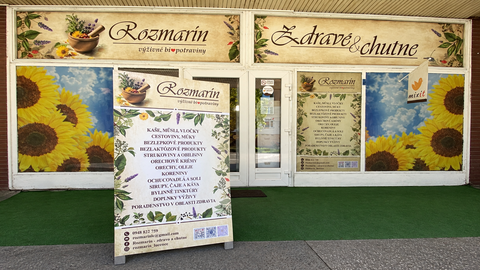
 Λιανική